

Building Resilient Homes: Protecting Against Natural Disasters
Missouri weather can be unpredictable. From severe thunderstorms and heavy rainfall to high winds and winter weather, homeowners face a variety of conditions throughout the year. While no home can eliminate every risk, thoughtful planning and quality construction can make a significant difference in how well a home stands up to the elements.
Building a resilient home is about more than preparing for the unexpected. It’s about creating a home that offers lasting durability, protects your investment, and provides peace of mind for years to come. From selecting the right lot to working with experienced custom builders and choosing durable materials, every decision plays a role in long-term home resilience.
At Woodland Trails, we believe that exceptional homes begin with thoughtful design, quality craftsmanship, and a community planned for generations. By combining experienced builders with carefully designed homesites surrounded by natural beauty, homeowners can enjoy a place that’s built with both everyday living and long-term value in mind.
What Makes a Home More Resilient?
A resilient home starts with smart decisions long before construction is complete. From the foundation beneath your home to the way the lot is graded, every detail contributes to long-term durability and helps protect your home against severe weather. While every property is unique, these are some of the most important features that contribute to a resilient home.
Strong Foundations Matter
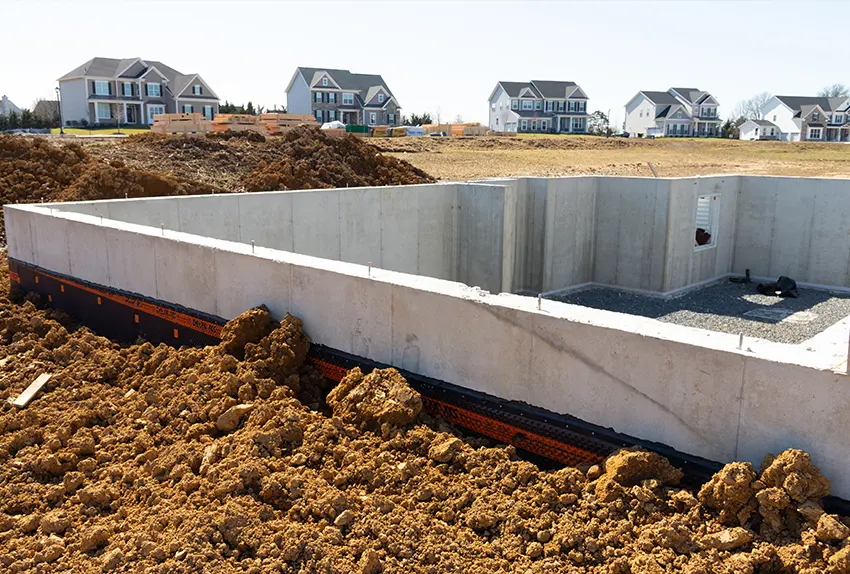
Every resilient home begins with a strong foundation. Proper site preparation, quality construction practices, and foundations designed for local soil conditions help create long-term structural stability.
Working with experienced builders who understand the region’s climate and terrain can help reduce the risk of future issues caused by soil movement, heavy rainfall, or changing weather conditions.
Durable Roofing & Exterior Materials
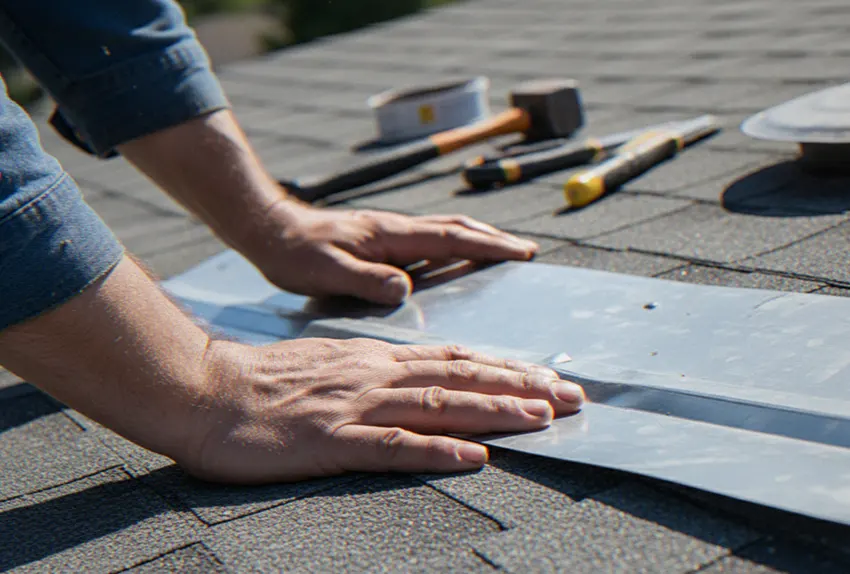
Your home’s exterior serves as its first line of defense against the elements. Durable roofing materials, quality siding, and properly installed exterior components help protect against high winds, hail, moisture, and everyday wear.
Choosing materials designed for longevity can also reduce maintenance needs while helping your home maintain its appearance and value over time.
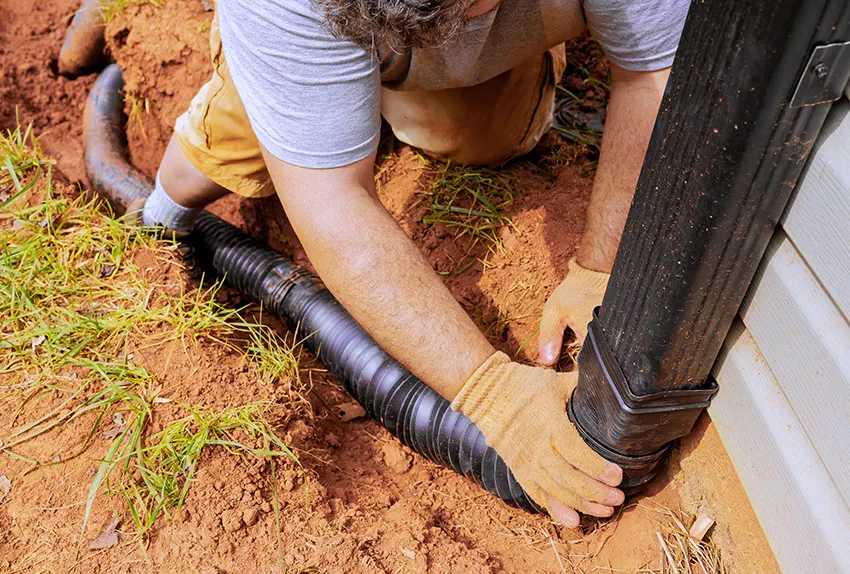
Proper Drainage Protects Your Home
Water management plays an important role in protecting a home’s foundation and surrounding landscape. Proper grading, effective drainage systems, and well-planned landscaping help direct water away from the home during periods of heavy rain.
Addressing drainage during the planning and construction process helps support the long-term health of your property.
Thoughtful Site Planning
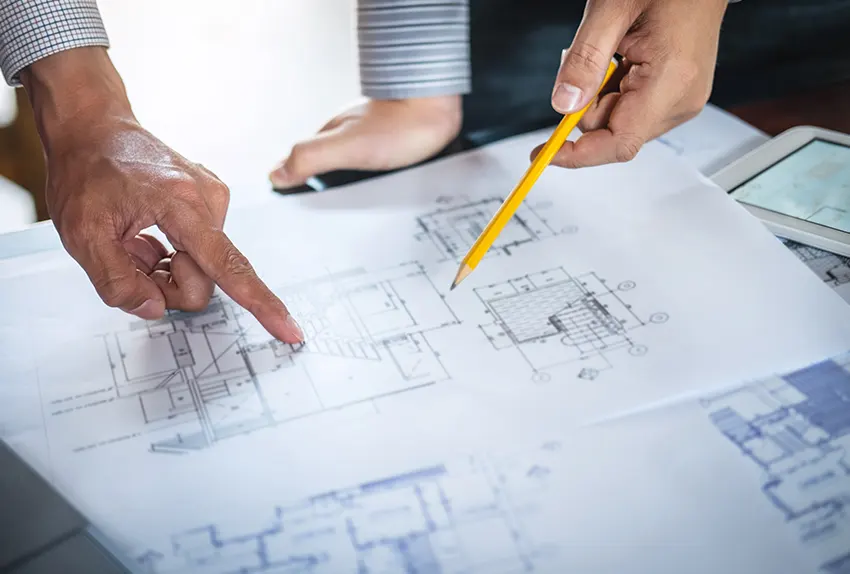
A home’s location on the lot can influence everything from drainage and sun exposure to privacy and outdoor living. Careful site planning considers the natural characteristics of the land to create a home that works with its surroundings rather than against them.
At Woodland Trails, spacious homesites and thoughtfully planned neighborhoods provide homeowners with the opportunity to build homes that complement the natural landscape while supporting long-term value.
| Home Feature |
Helps Protect Against |
Long-Term Benefit |
| Strong foundation | Soil movement | Structural stability |
| Proper drainage | Heavy rainfall | Reduced water concerns |
| Durable roofing | Wind & hail | Longer-lasting protection |
| Quality windows & doors | Storms & temperature changes | Comfort & energy efficiency |
Natural Disasters Homeowners Should Prepare For
Every region faces its own weather challenges, and Missouri is no exception. Understanding the types of severe weather that can occur throughout the year helps homeowners make informed decisions when building a resilient home. While these events can’t always be prevented, thoughtful home design and quality construction can help improve long-term durability.
Some of the most common weather-related events homeowners should consider include:
- Severe thunderstorms: Strong winds, lightning, and heavy rainfall can impact roofs, siding, windows, and landscaping.
- Hailstorms: Hail can damage roofing materials, gutters, and exterior finishes, making durable products an important consideration.
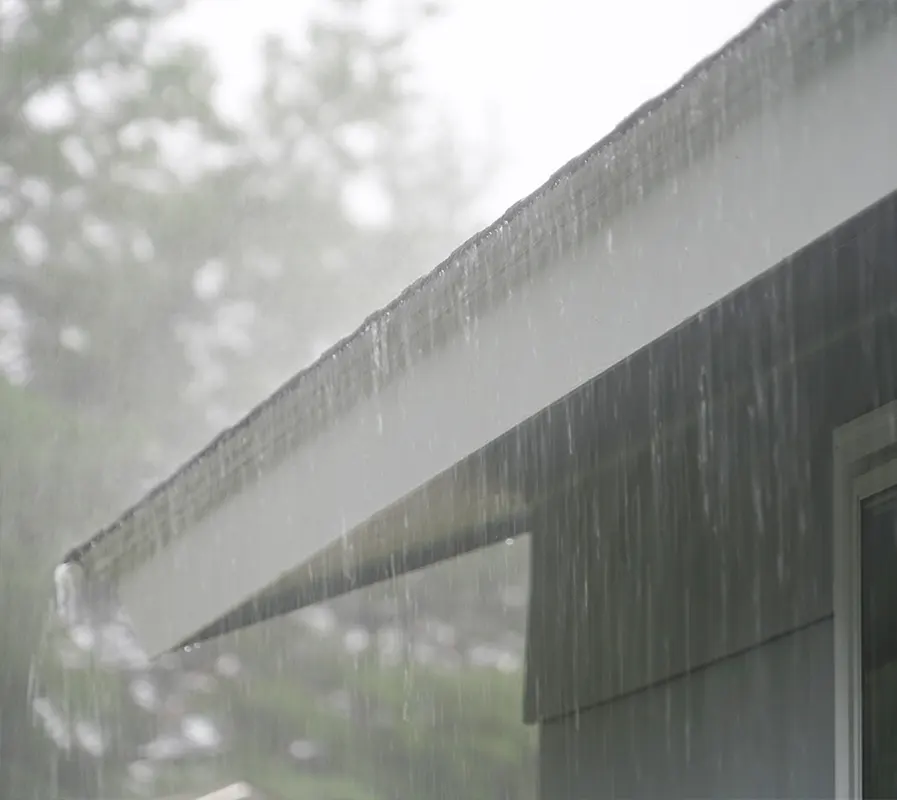
- Heavy rainfall and localized flooding: Proper drainage, grading, and water management help move excess water away from the home and foundation.
- High winds: Secure roofing systems, quality construction, and well-installed exterior materials help homes better withstand windy conditions.
- Winter storms: Snow, ice, and freezing temperatures can place additional stress on roofs, gutters, and plumbing systems if a home isn’t designed with seasonal weather in mind.
- Extreme heat: Energy-efficient windows, insulation, and ventilation help improve indoor comfort while reducing the strain on heating and cooling systems throughout the year.
While weather is unpredictable, building with resilience in mind allows homeowners to feel more prepared for changing conditions and better protects their investment over the long term.
Smart Design Choices That Improve Home Resilience
A resilient home isn’t created by one feature alone. It’s the result of many thoughtful design decisions working together to help protect your home, improve efficiency, and support long-term performance. When planning a custom home, consider incorporating features like these:
Design with the Landscape in Mind
Building with the natural characteristics of the property helps support drainage, preserve mature trees where possible, and create outdoor spaces that complement the surrounding environment. Thoughtful site planning can also help minimize erosion and improve water flow during periods of heavy rainfall.
Choose Quality Building Materials
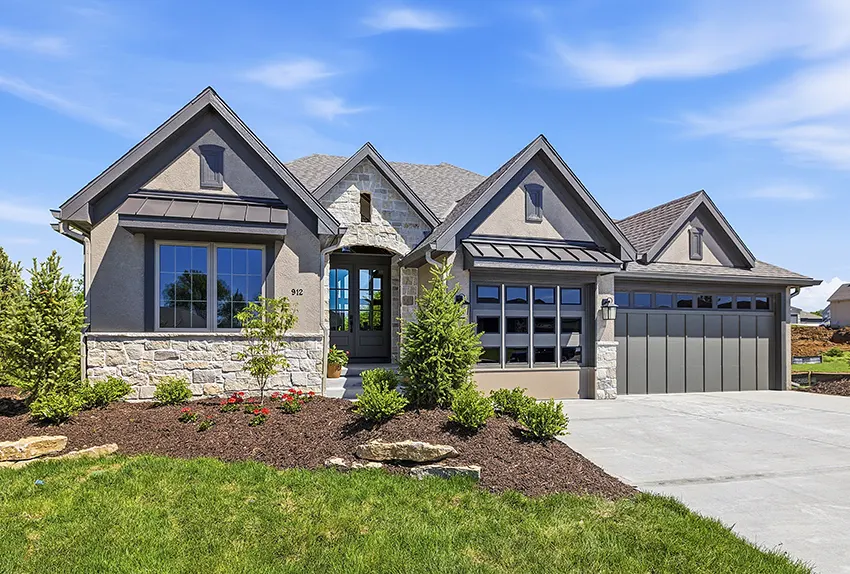
Selecting durable roofing, siding, windows, and exterior doors can help your home better withstand everyday weather while reducing maintenance over time. High-quality materials are an investment that contributes to both resilience and long-term value.
Plan for Efficient Water Management
Proper grading, gutters, downspouts, and drainage systems all work together to move water away from the home. Addressing these elements during construction helps protect the foundation and supports the longevity of your property.
Improve Energy Efficiency
Features like high-performance windows, quality insulation, and efficient HVAC systems don’t just improve comfort—they also help homes perform better during periods of extreme heat or cold while lowering energy consumption throughout the year.
Think Beyond Today’s Needs
Building a custom home gives homeowners the opportunity to plan for the future. Flexible floor plans, durable finishes, and low-maintenance exterior materials can help a home adapt as families grow, lifestyles change, and needs evolve over time.
When designing a resilient home, prioritize features that offer lasting value:
- Durable roofing and exterior materials
- Effective drainage and lot grading
- Energy-efficient windows and insulation
- Quality craftsmanship from experienced builders
- Flexible layouts designed for long-term living
- Landscaping that complements the home’s natural surroundings
Building with Experienced Custom Builders Makes a Difference
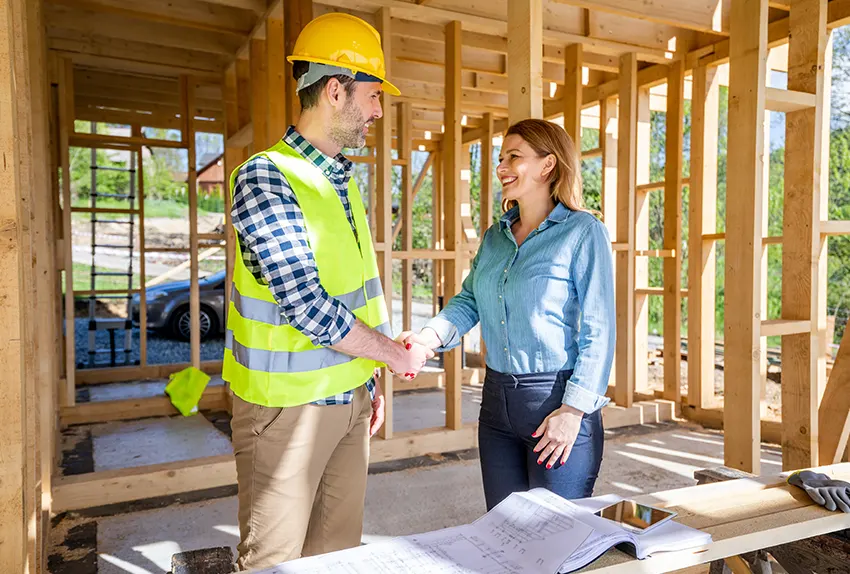
The quality of a home’s construction is just as important as its design. An experienced custom builder understands how to balance aesthetics, functionality, and durability while tailoring a home to the homeowner’s lifestyle and the characteristics of the lot.
Unlike production homes built from a limited selection of floor plans, custom homes provide greater flexibility when choosing materials, layouts, and features that support long-term performance. This allows homeowners to make informed decisions based on their priorities, whether that’s maximizing natural light, improving energy efficiency, or creating outdoor spaces that connect with the surrounding landscape.
At Woodland Trails, homeowners have the opportunity to work with experienced custom builders who understand the importance of quality craftsmanship and thoughtful planning. Combined with spacious homesites and a carefully designed community, this collaborative approach helps create homes that are built to stand the test of time.
Benefits of Working with an Experienced Custom Builder
| Advantage |
Why It Matters |
Long-Term Value |
| Personalized design | Built around your lifestyle | Home that fits your family |
| Quality craftsmanship | Attention to every detail | Greater durability |
| Local building expertise | Designed for regional conditions | Better long-term performance |
| Thoughtful planning | Customized materials and features | Lasting comfort and value |
Whether you’re building your forever home or planning for the next chapter of life, partnering with an experienced builder helps ensure every decision contributes to a home designed for lasting beauty, comfort, and resilience.
A Resilient Home Is an Investment in Your Future
Building a resilient home is about preparing for more than today’s needs. It’s about creating a place where your family can grow, make memories, and enjoy lasting comfort through every season. From thoughtful site planning and durable materials to experienced craftsmanship and quality construction, every decision contributes to a home that’s built for the future.
Choosing the right community is part of that investment. A neighborhood with spacious homesites, experienced builders, preserved green space, and a long-term vision provides benefits that extend well beyond the day you move in. These elements help create not only beautiful homes, but also communities designed to retain their character and value for years to come.
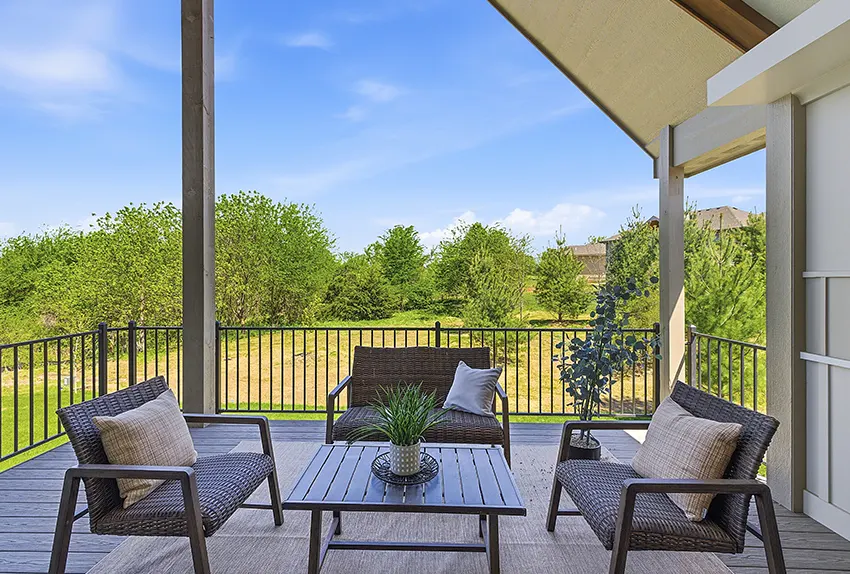
At Woodland Trails, resilience goes hand in hand with thoughtful design. Surrounded by natural beauty and built by trusted custom builders, homeowners can create a home that reflects their lifestyle while supporting long-term durability and enduring value.
If you’re considering building a custom home, taking the time to choose the right lot, builder, and community is one of the most important investments you can make for your future.
Frequently Asked Questions
How can I make my home more resilient to severe weather?
Building a resilient home starts with quality construction, durable materials, proper drainage, and thoughtful site planning. Working with an experienced custom builder can also help ensure your home is designed for local weather conditions.
What features help protect a home from heavy rain?
Proper grading, effective drainage systems, gutters, and landscaping all help direct water away from your home’s foundation. These features play an important role in reducing water-related issues over time.
Are custom homes more resilient than production homes?
Custom homes offer greater flexibility when selecting building materials, layouts, and design features that support long-term durability. An experienced custom builder can also tailor the home to the lot and local environmental conditions.
Why is proper drainage important for a home's foundation?
Proper drainage helps move water away from the foundation, reducing excess moisture around the home. This supports the long-term performance of the foundation and surrounding landscape.
Why does choosing an experienced builder matter?
Experienced builders understand local building practices, weather conditions, and construction techniques that contribute to a durable, long-lasting home. They also provide guidance throughout the design and building process to help homeowners make informed decisions.