


Incorporating Global Design Influences Into Your Home
Designing a home is more than choosing finishes or following trends. It is about creating a space that reflects how you live, what you value, and the experiences that have shaped you. Incorporating global design influences into your home allows you to bring together inspiration from around the world in a way that feels personal, intentional, and timeless.
From the warmth of European textures to the simplicity of Scandinavian design or the craftsmanship found in traditional Asian interiors, global interior design offers endless inspiration. When done thoughtfully, these influences do not overwhelm a space. Instead, they add depth, character, and a sense of story that makes a home feel truly custom.
The key is balance. Global home design works best when it complements your lifestyle and architectural foundation rather than competing with it. In the steps below, we will explore simple, approachable ways to incorporate global design influences into your home while keeping the look cohesive, comfortable, and built to stand the test of time.
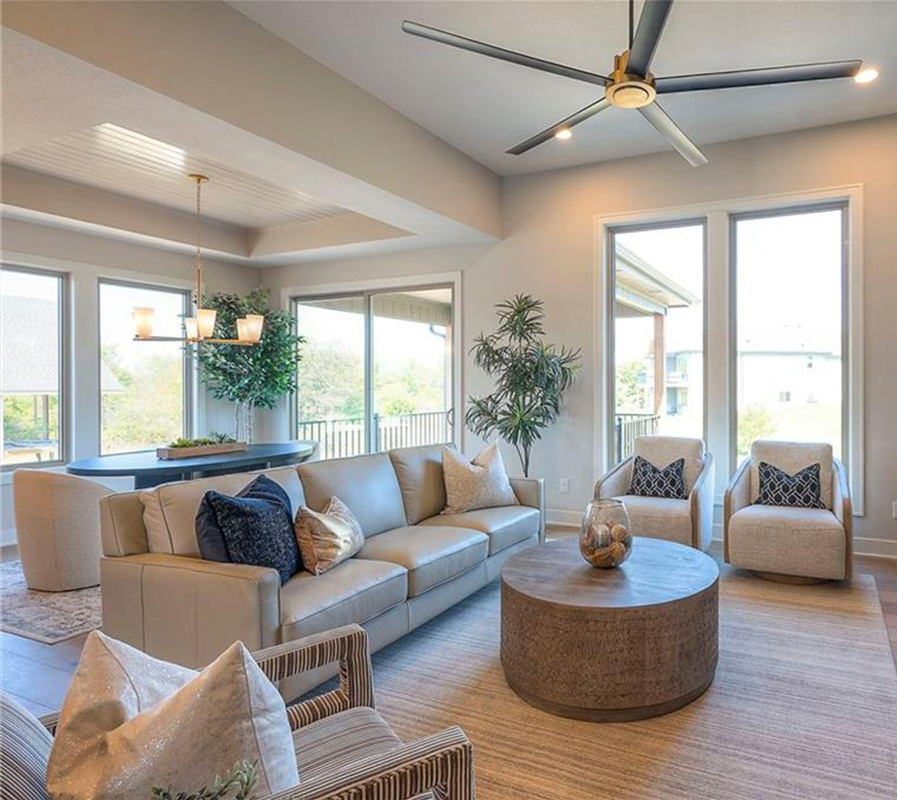
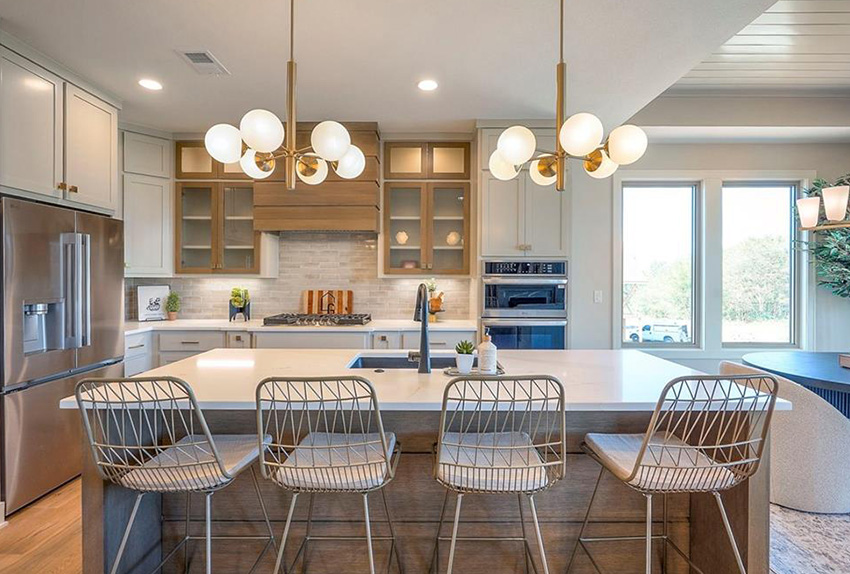
Why Global Design Works So Well in Custom Homes
Global design is especially powerful in custom homes because it allows you to design with intention rather than limitation. Instead of selecting finishes from a preset palette, you can draw inspiration from different cultures, materials, and architectural traditions to create a space that feels curated and personal.
Custom home design gives you the freedom to blend global interior design elements in a way that feels natural and cohesive. Whether that means incorporating natural materials inspired by Mediterranean homes or embracing the simplicity found in Scandinavian interiors, global influences help shape spaces that feel both elevated and livable.
When approached thoughtfully, global home design supports timeless interior design principles. It focuses on craftsmanship, quality materials, and balance rather than short-lived trends. This creates interiors that age beautifully and continue to feel relevant as your lifestyle evolves.
Why homeowners are drawn to global-inspired design:
- It creates a personalized home rather than a copy of current trends
- It blends modern comfort with traditional craftsmanship
- It supports a timeless look that holds long-term value
7 Thoughtful Ways to Incorporate Global Design Influences
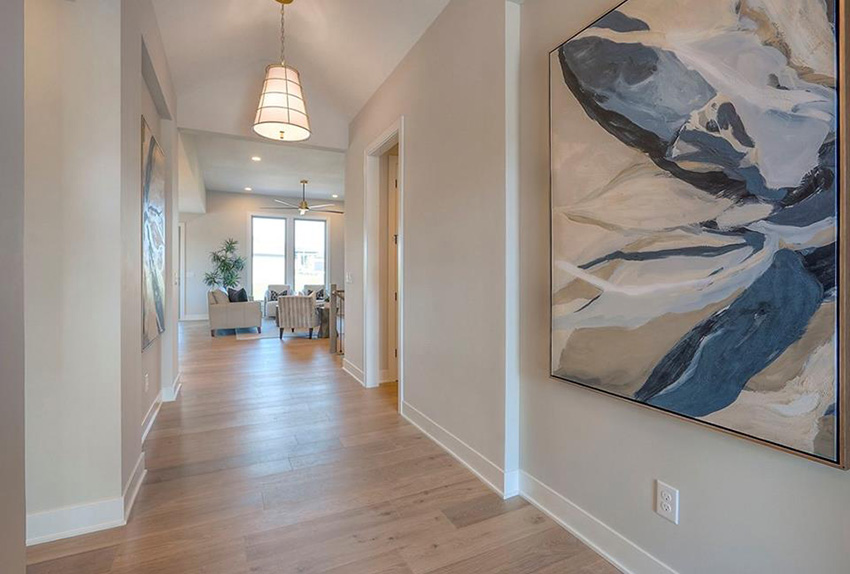
1. Start With a Neutral, Timeless Foundation
A well-designed home begins with a strong foundation. Before layering in global design influences, it is important to establish a neutral and timeless base that allows those elements to stand out without overwhelming the space.
Neutral interior design creates balance. Soft whites, warm beiges, muted grays, and natural wood tones provide a calm backdrop that works across many global interior design styles. This approach allows internationally inspired accents to feel intentional rather than busy.
By starting with a timeless foundation, you create flexibility. As your style evolves or new influences inspire you, your home can adapt without requiring major changes. This is especially valuable in custom homes designed to grow with you over time.
Design tip:
Think of your foundation as the canvas. Global design elements should enhance the space, not compete with it.
2. Layer Cultural Textiles for Warmth and Story
Textiles are one of the easiest and most impactful ways to introduce global design influences into your home. They add warmth, texture, and personality while allowing you to experiment without committing to permanent changes.
Global textiles often reflect generations of craftsmanship. Handwoven rugs, embroidered pillows, and patterned throws bring a sense of history and authenticity to a space. When layered thoughtfully, these pieces create visual interest while still supporting a cohesive global interior design style.
To keep the look balanced, choose a limited color palette and repeat similar textures throughout the room. This allows cultural textiles to tell a story without overwhelming the overall design.
Examples of globally inspired textiles to consider:
- Handwoven rugs inspired by Moroccan or Turkish design
- Linen or cotton fabrics often found in European interiors
- Subtle patterns and textures influenced by Asian or Scandinavian styles
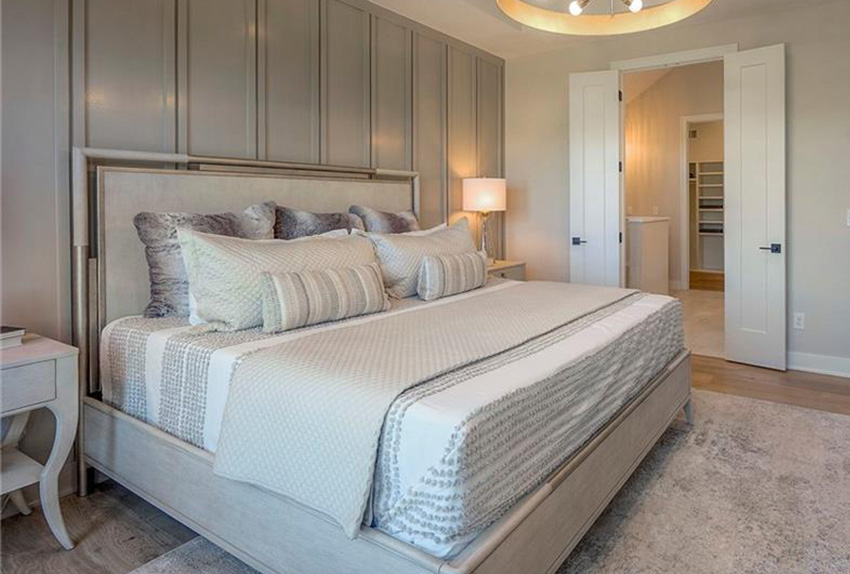
3. Blend Old-World Craftsmanship With Modern Living
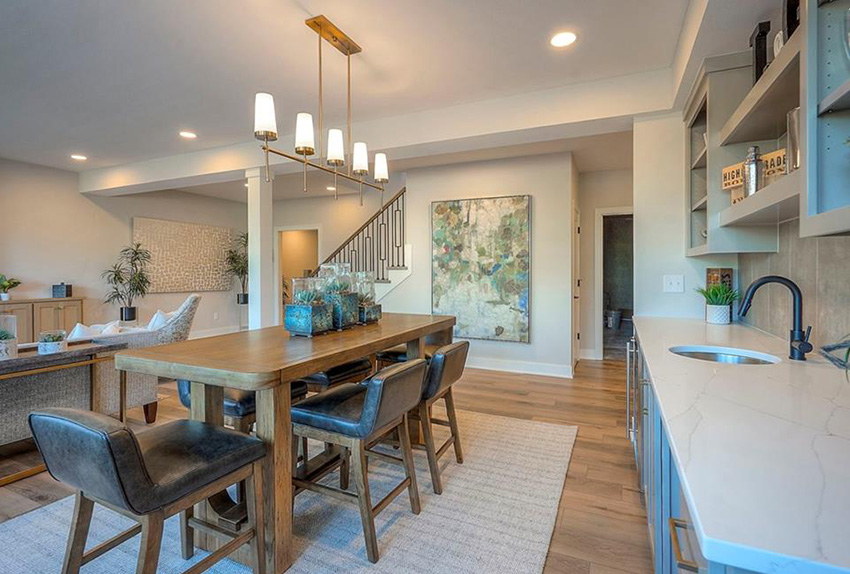
One of the most effective ways to incorporate global design influences is by blending traditional craftsmanship with modern functionality. Many global interior design styles celebrate techniques and materials that have been used for generations, and these elements pair beautifully with clean, contemporary spaces.
Think of handcrafted furniture, carved wood details, or stone surfaces that reflect old-world design traditions. When placed within a modern layout, these pieces add depth and character without making the home feel dated. The contrast creates a space that feels curated, intentional, and comfortable for everyday living.
This balance is especially important in custom homes, where thoughtful design choices help create interiors that feel refined but still livable. By mixing traditional craftsmanship with modern design, your home reflects both history and the way you live today.
Design balance tip:
Let one or two handcrafted pieces become focal points rather than filling the space with too many competing elements.
4. Use Materials That Reflect Global Influence
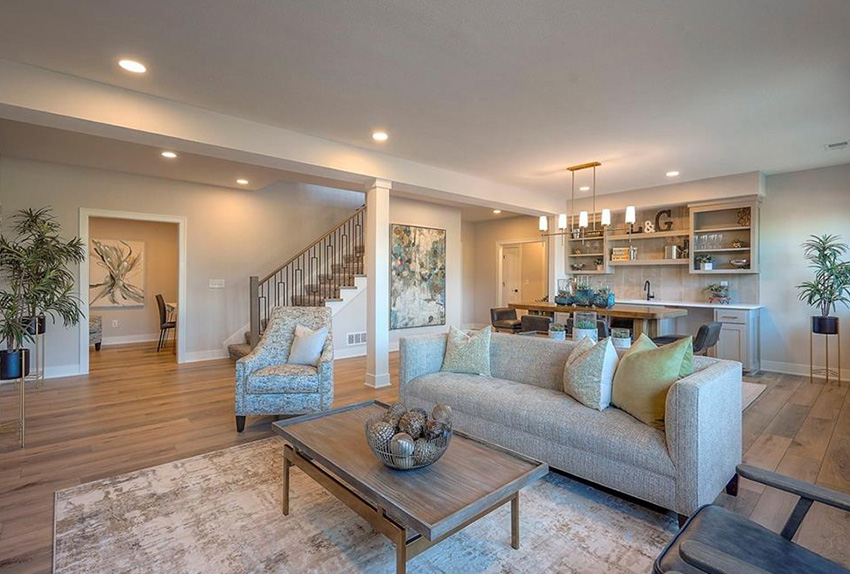
Materials play a major role in global interior design. Many internationally inspired spaces rely on natural, enduring materials that feel grounded and authentic. Choosing the right materials helps create a global-inspired home that feels cohesive rather than themed.
Instead of focusing on where a material comes from, focus on how it feels and functions within your space.
Globally inspired materials that work beautifully in custom homes:
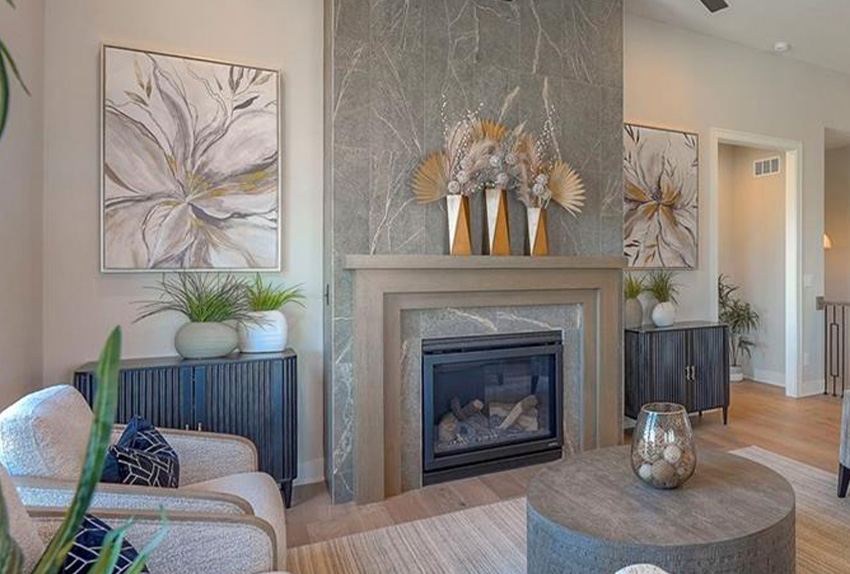
- Natural stone for countertops, fireplaces, or flooring
- Warm wood tones that add depth and character
- Textured plaster or limewash finishes for subtle dimension
- Metal accents in brushed or aged finishes rather than high-gloss
These materials age gracefully and align well with timeless interior design principles. They also pair easily with a neutral foundation, allowing global design influences to feel organic rather than forced.
Why this approach works:
Natural materials connect your home to its surroundings and support a design that feels intentional, comfortable, and built to last.
5. Let Color Tell a Global Story (Without Overpowering the Space)
Color plays an important role in global design, but restraint is what keeps it timeless. Rather than saturating an entire room, thoughtful use of color allows global influences to feel refined and balanced.
Many global interior design styles rely on color drawn from nature. Earthy tones, muted hues, and soft contrasts create warmth without overwhelming the space. When layered intentionally, these colors enhance architectural details and materials instead of competing with them.
Global color inspiration, simplified:
- Mediterranean influences: Warm whites, soft blues, sandy neutrals
- Scandinavian design: Pale grays, natural wood tones, subtle contrast
- Asian-inspired interiors: Deep neutrals, charcoal, soft earth tones
Using color in smaller doses, such as accent walls, cabinetry, or decor, helps maintain cohesion while still telling a global design story.
Design guideline:
If a color feels bold, balance it with neutral surroundings and natural materials to keep the space grounded.
6. Choose Statement Lighting With Cultural Character
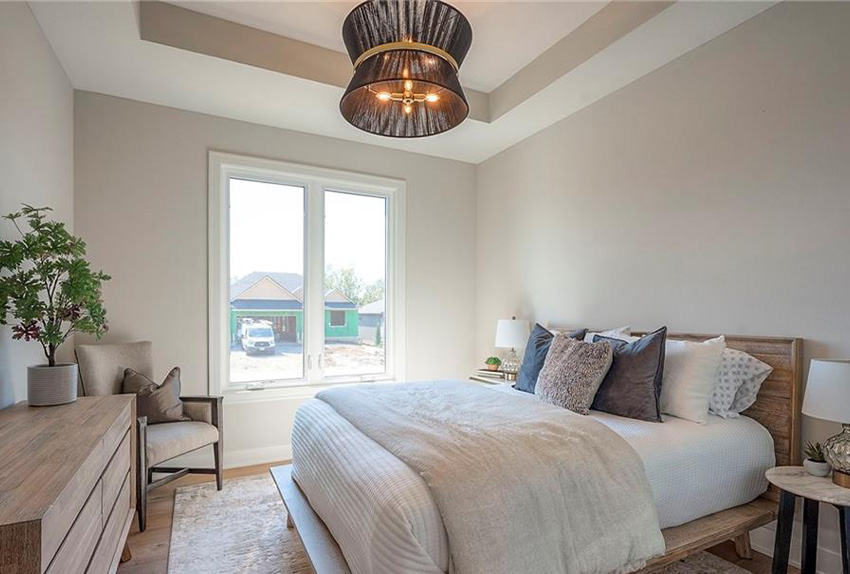
Lighting is often overlooked, yet it is one of the most impactful ways to incorporate global design influences into your home. Statement lighting adds personality while serving as both a functional and artistic element.
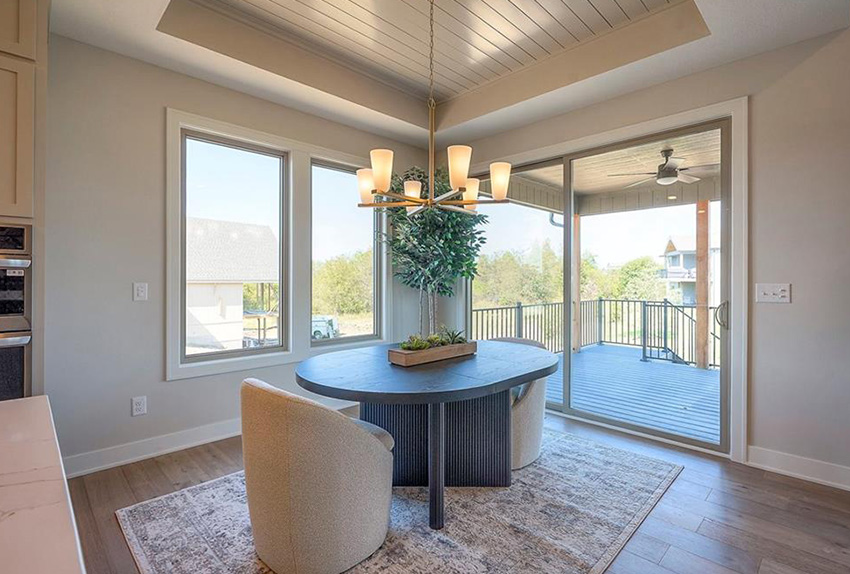
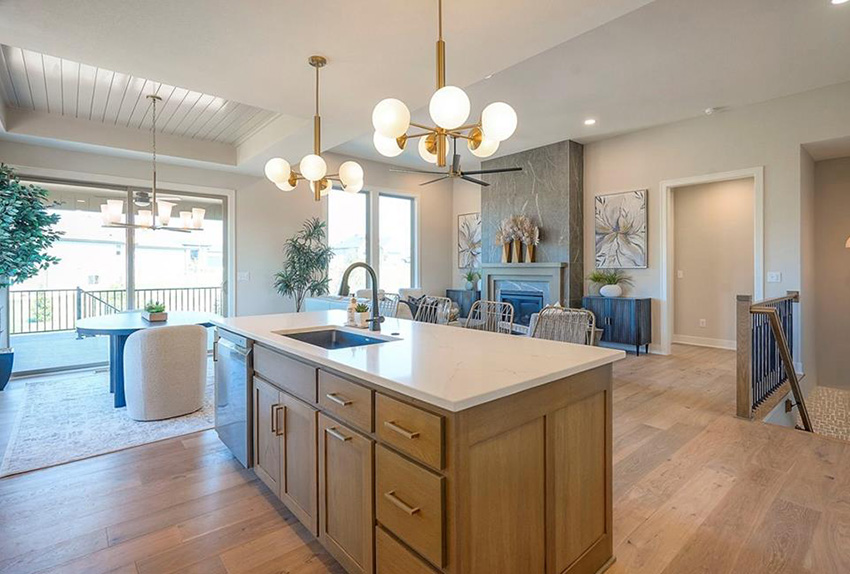
Globally inspired lighting often reflects craftsmanship and form rather than trends. Sculptural fixtures, layered lighting, and materials like metal, glass, or natural fibers create visual interest without overpowering the space.
Ways to introduce global-inspired lighting:
- Lantern-style pendants that add warmth and character
- Sculptural chandeliers with simple, balanced forms
- Accent lighting that highlights textures, artwork, or architectural details
When paired with neutral surroundings, statement lighting becomes a focal point that enhances the overall design rather than dominating it.
Pro tip:
One strong lighting feature per space is often more effective than multiple competing fixtures.
7. Personalize With Meaningful Pieces, Not Mass Decor
The most successful global-inspired homes feel personal, not staged. Instead of filling your space with mass-produced decor, focus on pieces that hold meaning and reflect your experiences, values, and interests.
Meaningful design often comes from items collected over time. Artwork, furniture, or decorative objects connected to travel, family, or craftsmanship add authenticity to your home. These elements tell a story and give global design influences a sense of purpose rather than decoration alone.
By editing carefully and allowing each piece room to breathe, your home feels curated and intentional. This approach supports a global interior design style that feels timeless, lived-in, and uniquely yours.
Guiding principle:
If a piece has a story or personal connection, it belongs. If it feels replaceable, it may not add lasting value.
How Global Design Supports a Home That Ages Beautifully
Global design influences are rooted in traditions that have stood the test of time. Many internationally inspired interiors prioritize quality materials, thoughtful craftsmanship, and balanced proportions rather than fast-changing trends. This makes global interior design especially well suited for homes designed to last.
By focusing on timeless materials, neutral foundations, and meaningful details, global-inspired homes adapt easily as lifestyles evolve. Spaces feel just as comfortable hosting family gatherings as they do during quieter seasons of life. Instead of needing frequent updates, the design continues to feel relevant and intentional year after year.
This approach also supports long-term value. Homes designed with longevity in mind tend to age gracefully, maintaining both aesthetic appeal and functionality. When global design is applied thoughtfully, it enhances not just how a home looks today, but how it lives for generations to come.
Designing a Home That Reflects the Way You Live
Incorporating global design influences into your home is not about recreating a place or following a specific style. It is about choosing elements that resonate with you and weaving them together in a way that feels natural and intentional.
When approached thoughtfully, global interior design supports a home that feels personal, comfortable, and timeless. Each material, color, and detail contributes to a space that reflects how you live today while remaining flexible for the years ahead.
The most meaningful homes are designed with purpose. By blending global inspiration with thoughtful planning and quality craftsmanship, you create a living environment that tells your story and stands the test of time.